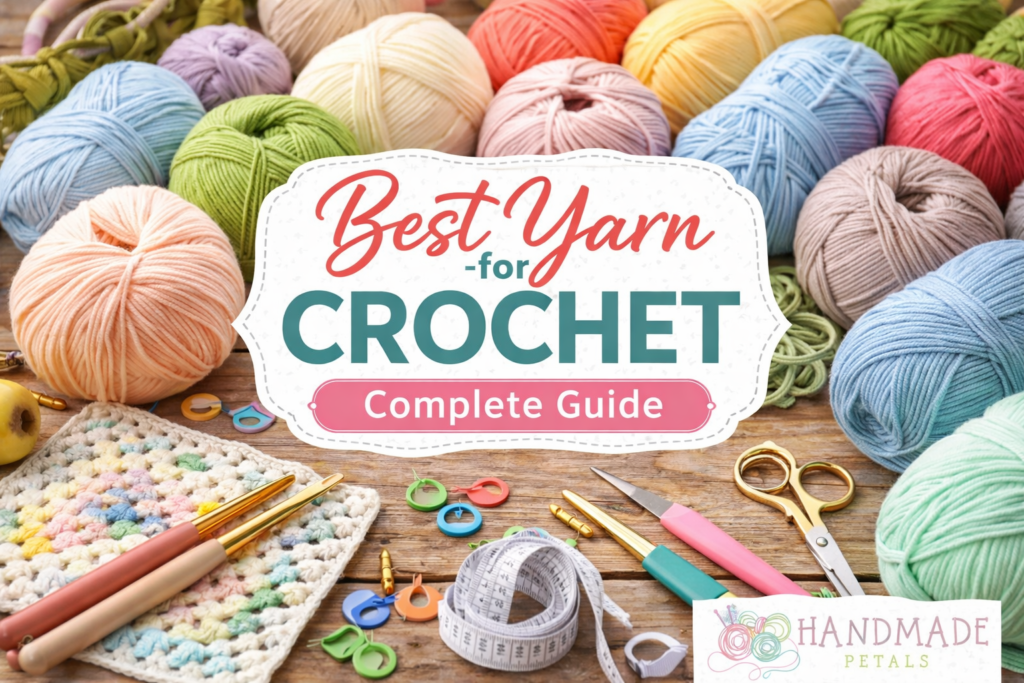
Selecting the best yarn to crochet is one of the most fundamental steps in a crochet project. The yarn you choose determines the look of your stitches, how comfortable your process will be and how long your finished piece will last. Whether you are a neophyte or an expert crocheter, the better knowledge of yarn types, textures or uses the better outcomes you will get out of your crochet.
Most crocheters do not think enough of the yarn, but it has equal relevance to how the yarn is crocheted. Which yarn best fits your project, climate, skill level and your own preference. In this tutorial, we’ll go through everything in depth so that you can always select the correct yarn with certainty.
Yarn Fibers in Crochet
Before you choose yarn you should know all the different types of fibers at your disposal. There are different properties attached to each fiber which can make a difference in how it acts when making a crochet/finishing the project.
Cotton Yarn: A Preferred Material for Newbies
Cotton yarn is considered the ideal cotton yarn, especially for newly-knitted crocheters who desire clear or neat stitches. It is one of them: a natural fiber, very strong and durable. Cotton has an excellent retention mechanism over stretchy yarns and is best for structured objects. Your stitches will look better when you’re working with cotton yarn.
Why cotton yarn is popular:
- Give nice stitch definition.
- Strong and long-lasting.
- Best for warm-weather projects.
- It absorbs moisture and is great in the kitchen.
Yet cotton yarn can be a tad stiff compared with other fibers. This means that it may not be the best fit for soft and stretchy projects, like some wear.
The Most versatile and economical option available: Acrylic yarn
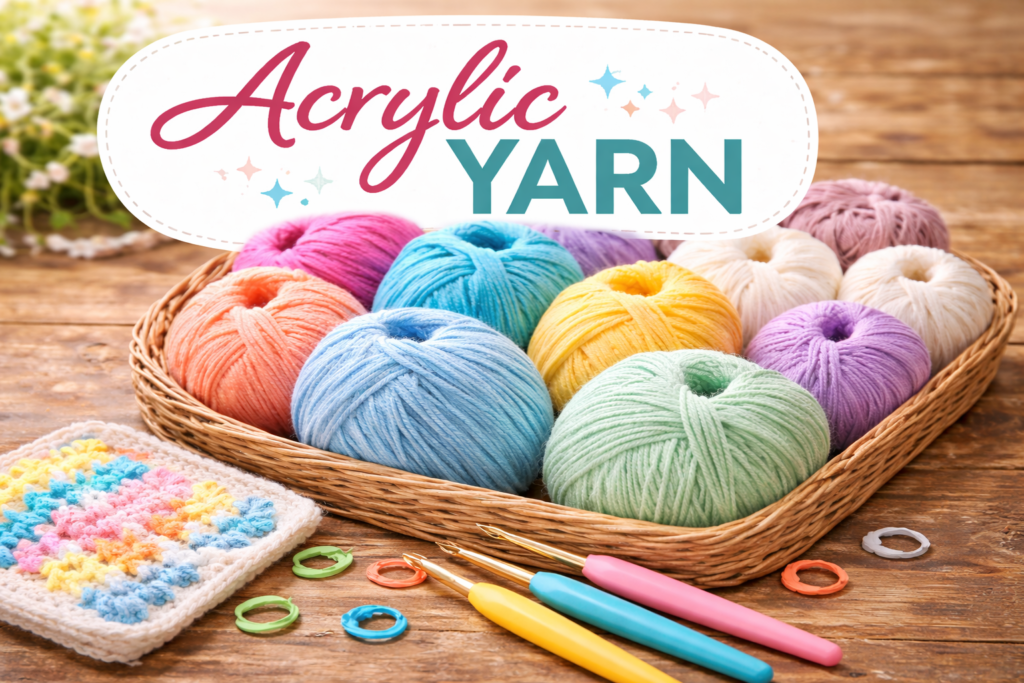
Acrylic yarn is one of the most popular yarns for crocheting: people who want something cheap and versatile often choose it. It is synthetic fiber and comes in various colors, textures and thicknesses. Acrylic yarn is inexpensive, and for beginners it makes for an ideal choice for training, without the pressure of burning out large budgets that would be wasted every time you turn your hands down at $10. It is also the fiber of choice in widespread projects, covering blankets. Acrylic is durable or very hard. Acrylic yarn is exceptional in this respect, as it is simple to maintain. Due to their industrial use, most acrylic yarns can easily be washed by machines and are durable.
- Comes in endless color choices.
- Easy to wash and maintain.
- Ideal for big projects like blankets.
The downside is low breathability as opposed to natural fibers, and it may feel not so warm or fuzzy against the skin.
Best for Warm-Up Projects
Wool yarn is a known, natural fiber that is well known for its warmth and elasticity. It’s a great option when you’re creating winter outfits or snuggly home decor. Flexibility is the massive benefit of wool. Unlike cotton wool has its stretches eased a little making it a lot easier to work with – and more forgiving for newbies. Wool yarn additionally possess a great “memory” that helps stitches maintain their shape with time. That makes it most fit for use in garments such as sweaters and hats.
Advantages of wool yarn:
- Warm and insulating by nature.
- Elastic and easy to handle.
- Great for winter wear.
- Maintains shape well.
But wool can feel itchy at times and it may need to be washed more carefully. Many crocheters use merino wool for a softer choice.
The perfect mix: Blended Yarn
Blended yarn is made of two or more fibers–this creates a balanced texture as well as performance. These yarns are known to be among the finest yarns for crochet, as they combine the advantages of using many materials. For instance, a blend of cotton and acrylic has durability of cotton with the softness and price of acrylic. Conversely, wool mixes minimize itchiness and at the same time keep warmth.
Why choose blended yarn:
- Mixes power with softness.
- Versatile compared to traditional single-fiber yarn.
- More affordable than pure wool most times.
- Appropriate on a variety of projects.
Bamboo yarn: Soft and Eco-friendly
Bamboo yarn is increasingly becoming a popular material in eco-friendly crochet. It has a soothing, silky quality and an ultra-soft appearance suited for light clothing. That yarn drapes well, so it is great for things like shawls, tops, baby items and mollions. It is also hypoallergenic (as in it shouldn’t cause sensitive skin) and can work against some mild-to-moderate inflammation.
Key features of bamboo yarn:
- Extremely soft and smooth.
- Eco-friendly and sustainable.
- Great for lightweight clothing.
- Naturally antibacterial.
Bamboo yarn, however, can work relatively slippery, which may make it somewhat challenging for the novices.
Understanding Yarn Weights
Aside from fiber size, yarn weight is a major factor in crochet. The yarn and thicknessy texture will all depend upon the yarn weight. And the right yarn weight ensures your final project is of the recommended sizey.
Common yarn weight:
- Lace (a very thin light, light-weight fabric threads.
- Fingering (light-weight clothing) means fine but delicate garments).
- DK (double knitting, multi-purpose).
- Worsted (most popular for beginners).
- Bulky (yarn is thick, can be used on a quick project).
However, for beginners, the best yarn for crocheting is often worsted weight yarn, because it is easy to handle and readily found.
In short, picking the best yarn for knitting
There are many factors to select the appropriate yarn. When making decisions about yarn, we must take into consideration not just the requirements of the project but also personal comfort–not just randomly selected, but consider needs and personal enjoyment.
When choosing the chosen yarn, consider:
- Project type: An item of clothing, blankets or toys, accessories.
- Weather: Lightweight yarn for summer; wool for winter months.
- Skill Level: Simple yarns for beginners.
- Cost: Acrylic for affordable price, wool for high quality.
- Care instructions: Machine wash. Wash hands.
Doing the right thing will save time and can ensure more efficient results.
Best yarn for different crochet projects
Various yarns are required for different projects. Selecting the appropriate yarn means that your final product looks clean and wears longer.
- For blankets: Use acrylic or wool with a combination.
- For clothing: Best cotton or bamboo yarn is used.
- For amigurumi: Cotton yarn is good for structure.
- For winter accessories: Mixed wool or wool for warmth.
Using yarn as per project is what lets you get professional results.
Beginner’s Suggestions to Select Yarn
Beginners could feel intimidated by the fact that to choose yarn. But for the simple few words of advice which it is possible to remember about that process can be helpful.
Beginner-friendly:
- To make the stitches plain, first start with light colors.
- Avoid most fuzzy or textured yarns first.
- Opt for medium-weight yarn (worsted).
- Start off with low-cost acrylic yarn.
These suggestions will make you learn more quickly and eliminate mindless frustration.
Common Mistakes to Avoid
Not even veteran crocheters always pick the right yarn. Ignoring said mistakes can save time and effort.
Common mistakes include:
- Using the wrong yarn weight.
- Ignoring care instructions.
- Choosing style over comfort.
- Not checking yarn texture before making a purchase.
Your experience with crochet will be a lot better if you remember these factors.
CONCLUSION
The best yarn for crochet depends on understanding your needs and matching the right material with weight and texture. Whether the yarn used for construction (either cotton or acrylic) is good value, its price is in line with this year’s price range, wool may be a good warming color, or you want a combination mix if you wish to be more versatile – each one has its own special advantages.
The best yarn for crocheting is after all project-dependent and is up to your own preference. By trying different yarns, follow this article’s guidelines, and turn for excellent crochet results with ease. If you’re new, start with simple yarns and gradually get to higher quality ones for the ball. Making every crochet project more fun and productive if you have the right yarn in your hands.